LLMs Go Local – The On-Device AI Revolution Begins
On-device generative AI took a leap forward in April 2025, with Apple, Google, and Meta deploying local LLMs to smartphones, wearables, and laptops. This milestone[…]
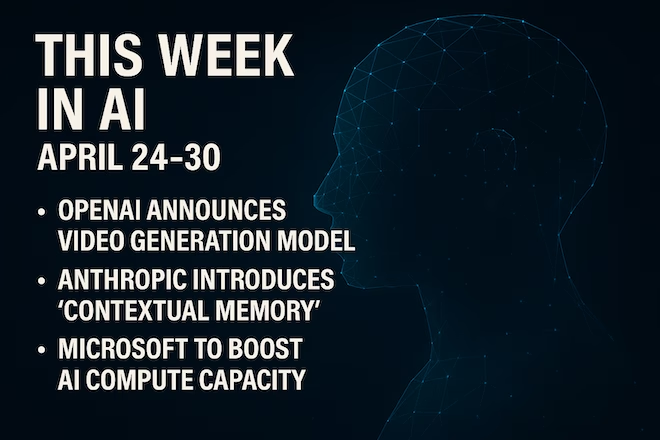
This Week in AI: April 24-30 2025
The final week of April 2025 was a whirlwind of AI innovation, with major tech players unveiling new models, tools, and strategies that signal the[…]
The Regulators Catch Up – AI Governance and Compliance in 2025
Regulators caught up to the pace of AI development with the passage of Europe’s AI Act and new guidance from the FTC and other global[…]
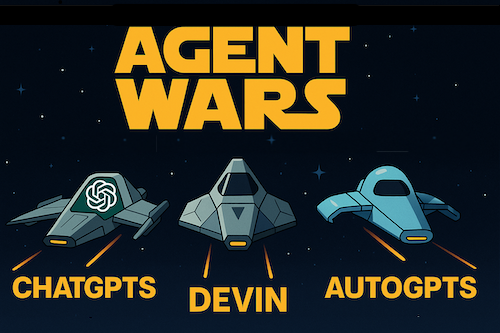
The AI Agent Wars Begin – OpenAI GPTs vs Devin vs AutoGPTs
A new frontier emerged in AI: autonomous agents. OpenAI’s custom GPTs, Cognition’s Devin, and OSS options like AutoGPT and AgentGPT battled for dominance in QA[…]
Prompt Engineering Becomes a Career Path (and a Skill Gap)
Prompt engineering matured from a niche skill to a recognised discipline. Companies began hiring dedicated prompt engineers to fine-tune model behaviours, optimise retrieval chains, and[…]

The GenAI Holiday Test: Chatbots, Gifting Tools & Commerce UX
The end-of-year shopping rush tested GenAI’s ability to handle spikes in demand. Chatbots powered by GPTs, Claude, and Gemini handled millions of gift inquiries, while[…]

Synthetic Data Gets Real – The Future of Model Training
With privacy constraints tightening, synthetic data became a viable — even preferred — alternative to real datasets. Tools like Gretel.ai and Mostly AI enabled safe[…]
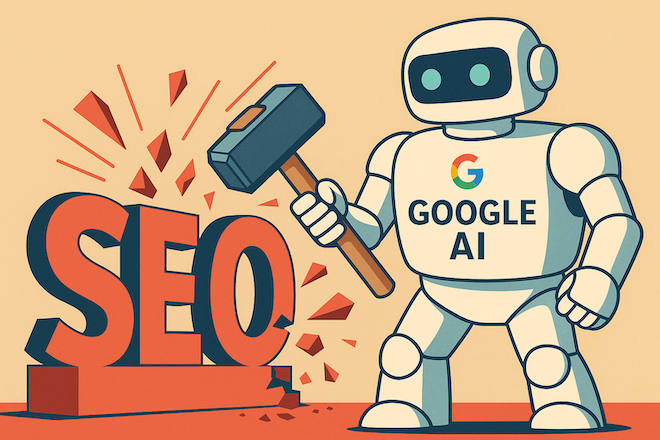
Creative Destruction – GenAI Disrupts SEO, Design & Advertising
Marketing and design functions experienced disruption as GenAI tools produced copy, creative, and metadata at scale. Programmatic SEO workflows auto-generated landing pages based on trend[…]
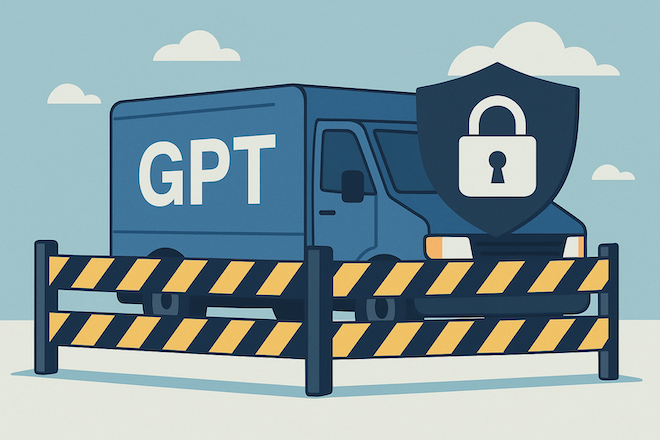
Enterprise Guardrails – GenAI Security & Governance Goes Mainstream
Security and compliance concerns finally caught up to generative AI deployments. Cloud providers launched services like Google AIAA and Microsoft Azure’s content filtering stack, while[…]
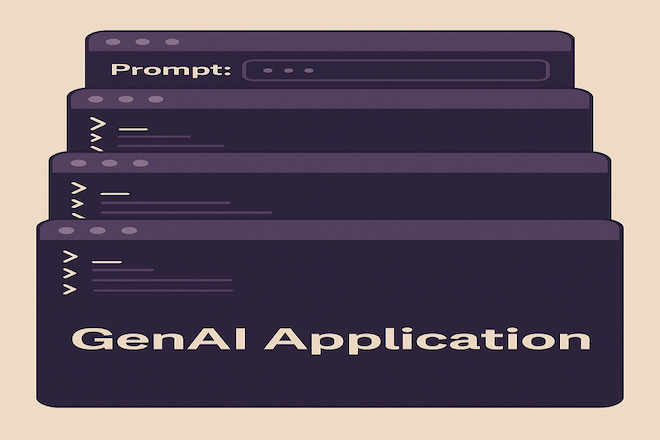
The GenAI Stack is Real – From Prompts to Full Applications
GenAI development moves beyond the prompt. With tools like LangChain, LlamaIndex, and Dust, developers can now build robust Retrieval-Augmented Generation (RAG) apps, agent frameworks, and[…]


